
MSU Brings New Approach to Stopping the Biodiversity Crisis
What if saving one animal species from extinction at a time isn’t the most effective approach? Michael Belitz, a Michigan State University postdoctoral researcher in the Zipkin Quantitative Ecology Lab, asked himself that question during his graduate work protecting a single butterfly species.
More Than a Gut Feeling: How Climate Change Affects GI Health
From heat-related illnesses to the geographic expansion of infectious diseases, the effects of climate change on human health are complex. And indeed, dimensions of this interaction, such as the impact of climate change on gut health, remain overlooked. Emerging research shows this global phenomenon may make you sick to your stomach — literally.
MSU Reports $932 Million in Research Expenditures
Michigan State University reported a new record of $932 million in research and development expenditures for the fiscal year 2024, maintaining a positive trajectory with cumulative 30% growth over the past three years.

Social Media Bridges Connection Gaps for Students with Disabilities
New research from the Michigan State University College of Education shows how social media provides connection and community for college students, particularly those with disabilities. The study examines the nature of students’ social media use and its relationship to social capital and psychological well-being.

New Research Finds That Certain Packaging Materials Can Show 70% Lower Emissions Than Alternatives
A comprehensive assessment by researchers, including Rafael Auras from Michigan State University, sought to evaluate the potential environmental impacts of replacing polyethylene, or PE, packaging like bags, films and containers with alternative materials, including paper, glass, aluminum and steel.
Pancreatic Cancer: Shifting the Outlook from Bleak to Bright
Henry Ford + MSU pancreatic cancer researchers are focused on genetic indicators that play a crucial role in the ways cells communicate through the exchange of chemical signals.
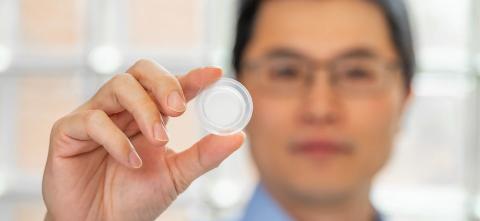
Liquid Foam Innovation Designed To Protect the Brain Now Tested on Internal Organs
Researchers at Michigan State University have refined an innovation that has the potential to improve safety, reduce severe injury and increase survival rates in situations ranging from car accidents, sports, law enforcement operations and more.

How Race, Socioeconomic Status Contribute to Math Education Inequalities
There is a long-documented problem of inequalities in mathematics education across the United States and in other countries around the world. Previous research suggests socioeconomic status, or SES, and race play a role — but to what extent and how? Research from Michigan State University scholars answers these questions.
Announcements