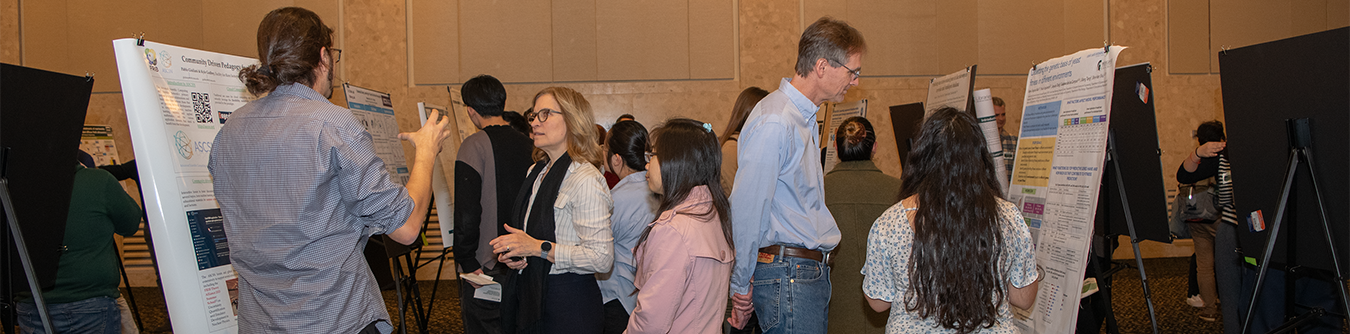
Join us for the Michigan Alliance for Reproductive Techonlogies and Sciences 2026 conference. This year's conference will be hosted by Michigan State University at the University Club building on October 30, 2026, from 8:00 AM to 5:30 PM.
MARTS 2026
October 30, 2026
8:00 AM
–
5:30 PM
University Club
Directions to event location
About
The Michigan Alliance for Reproductive Technologies and Science (MARTS) Symposium was created to bring together researchers, clinicians, and educators from across the State of Michigan in the fields Reproductive Technologies, Science, and Healthcare.
What to Expect
- Two Keynote Presentations
- Oral and poster presentations from faculty, postdocs, and students from Michigan State University, Wayne State University, and the University of Michigan.
- Submitted posters should be no larger than 46"Wx40"H
- Awards for best presentations
- Registration, lunch, and parking is free
Intended Audience
Faculty, staff, postdocs, and students
Location
MARTS 2026 will take place at the University Club of MSU.
Parking
Free parking is available at the University Club of MSU. View directions and map.
Speakers
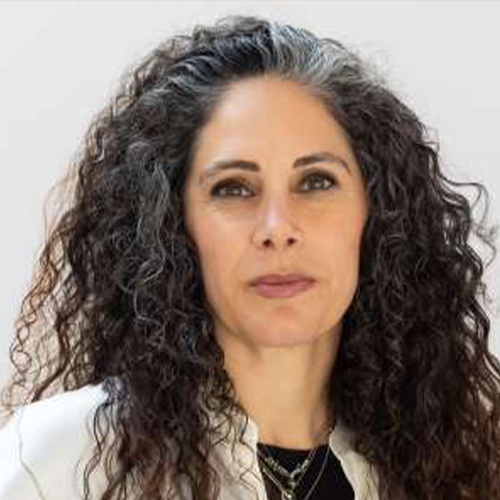
Yalda Afshar, MD, PhD
MARTS Keynote Lecturer
Department of Obstetrics and Gynecology, Division of Maternal Fetal Medicine, University of California Los Angeles
Rethinking Placenta Accreta: Translating Biology Into Imaging and Surgical Decision Making
Yalda Afshar, M.D., Ph.D., is a maternal-fetal medicine surgeon-scientist and tenured Associate Professor at the David Geffen School of Medicine at UCLA, where she serves as Director of Research in Obstetrics, Gynecology and Reproductive Sciences. She is Co-Director of the UCLA Advanced Hemorrhage and Accreta Care Program and the UCLA Cardio-Obstetrics Program. Her clinical work is centered on improving care for women with complex pregnancies, including placenta accreta spectrum and cardiovascular disease affecting the mother or fetus. In her basic science laboratory, Dr. Afshar studies the underlying biology of accreta, with the goal of translating discoveries at the bench into better options for patients. This work has helped inform clinical studies focused on uterine preservation for placenta accreta spectrum. Across her clinical care and research, Dr. Afshar is committed to advancing safer, more personalized care for pregnant women and their families. She completed her Ph.D. training in the laboratory of Dr. Asgi Fazleabas, whose mentorship continues to shape her approach to science and medicine. Dr. Fazleabas has long reminded her that our North Star is the family and community around us, a principle that continues to guide her work and makes today’s gathering especially meaningful.
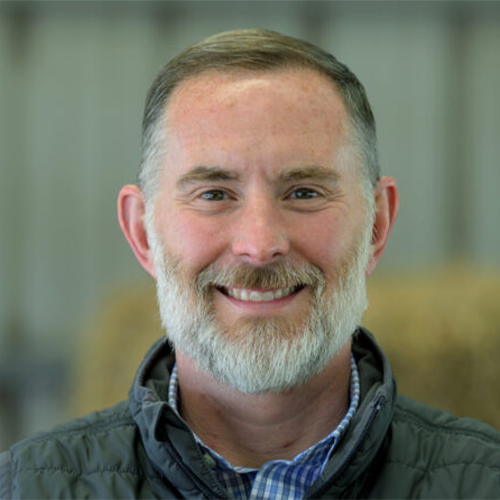
Jon Oatley, Ph.D.
J.J. Ireland Endowed Lecturer
School of Molecular Biosciences, College of Veterinary Medicine, Washington State University
Genome Editing of Large Animals for Biomedical and Agricultural Applications
Jon Oatley, Ph.D., is the Associate Dean for Research and Director of the Resilient Livestock Program in the College of Veterinary Medicine at Washington State University, and a tenured Regents Professor in the School of Molecular Biosciences. He received his Bachelor of Science degree in Animal Sciences from the University of Nevada-Reno, his Master of Science and Doctor of Philosophy degrees from Washington State University, and he completed postdoctoral fellowship at the University of Pennsylvania. Dr. Oatley’s research focuses on understanding how germ cells develop and produce gametes to provide genetic information to the next generation. In a related line of work, Dr. Oatley’s team also focuses on genetic engineering of livestock to build resiliency traits and develop advanced reproductive technologies that impact the efficiency of food production. His program has developed gene editing applications in both rodents and large animals, and has generated gene-edited mice, pigs, cattle, sheep, and goats. Dr. Oatley has worked with many organizations and testified before congress to help shape policies on the use of biotechnology for animal agriculture.
Agenda
| Time | Session/Event |
|---|---|
| 8:00 – 9:00 AM | Registration, Poster Setup & Breakfast |
| 9:00 – 9:15 AM | Opening Remarks |
| Session 1 | |
| 9:15 – 10:15 AM | Ireland Lecture Dr. Jon Oatley Genome Editing of Large Animals for Biomedical and Agricultural Applications |
| 10:15 – 10:30 AM | Flash Talks
|
| 10:30 – 11:00 AM | Early Career Faculty Talk Dr. Melanie Balbach – Michigan State University Sperm metabolic studies beyond glucose: Fructose-fueled metabolic reprogramming |
| 11:00 – 11:10 AM | Flash Talks
|
| 11:10 – 11:30 AM | Group Photo |
| 11:30 AM – 12:20 PM | Poster Session |
| 12:20 – 1:15 PM | Lunch |
| Session 2 | |
| 1:15 – 1:30 PM | Trainee Talk Madeline Dawson – University of Michigan Ovarian aging and rejuvenation in sexual planarians |
| 1:30 – 1:45 PM | Trainee Talk Zachary Pomicter – Wayne State University Proteomic Analysis of Neutrophil Extracellular Traps from the Female Genital Tract Reveals Antiviral Characteristics |
| 1:45 – 2:00 PM | Trainee Talk Annmarie C. Murphy – Michigan State University Maternal early-pregnancy diet quality and markers of reproductive system development in newborn babies |
| 2:00 – 2:30 PM | Early Career Faculty Talk Dr. Rachel Morgan – University of Michigan Exploring Environmental and Neurodevelopmental Origins of Neurodegenerative Disease |
| 2:30 – 2:45 PM | Trainee Talk Emily Thomas – University of Michigan Modeling a Pro-fibrotic Niche Utilizing Fibrous Hyaluronic-Acid Based Hydrogels and Human Ovarian Stroma |
| 2:45 – 3:00 PM | Break |
| Session 3 | |
| 3:00 – 3:15 PM | Trainee Talk Nakati Sany – Michigan State University Uterine smooth-muscle circadian disruption modulates maternal inflammatory status and increases labor complications following inflammation-induced preterm labor in mice |
| 3:15 – 3:30 PM | Trainee Talk Savannah Schick – Wayne State University Regulation of Placental Inflammasome by A20 During Pregnancy |
| 3:30 – 4:00 PM | Early Career Faculty Talk Dr. Mike Wilson – Wayne State University KMT2D loss in uterine endometrioid carcinoma drives mitosis and immune evasion |
| 4:00 – 5:00 PM | MARTS Keynote Dr. Yalda Afshar Rethinking Placenta Accreta: Translating Biology Into Imaging and Surgical Decision Making |
| 5:00 – 5:15 PM | Acknowledgements, Closing Remarks & Awards |
Program Booklet

Upload Your MARTS Photos