

MSU Study Unpacks How 2025 Tariffs Shocked Global Supply Chain
In the wake of the largest series of U.S. tariff hikes since 1930, a new study from Michigan State University explores how this economic shock is reshaping global supply chains and offers a framework to help researchers and policymakers make sense of the chaos. The study was recently published in the Journal of Supply Chain Management.

RFID Isn’t Just for Tracking Inventory: New MSU Research Shows It Secures Drug Supply Chain
New MSU-led research shows how real-time tracking using RFID can fight counterfeit drugs, protect patients, and help pharmaceutical companies meet new federal security standards. The breakthrough pilot, led by the Axia Institute, proves RFID’s potential for total traceability, from production to pharmacy.

Researchers Map the Worldwide Threat of Antibiotic Resistance in Livestock Waste
A major international study by Michigan State University and partner researchers has uncovered a hidden danger lurking in animal farms around the world: Livestock manure is packed with antibiotic resistance genes that could threaten human health. This study spanned 14 years and represents the most comprehensive survey of livestock antibiotic resistant genes to date.

O'Dell Publishes Book on Creating Theatre With Neurodiverse Audiences in Mind
MSU Theatre Specialist Dionne O’Dell releases her debut book, The Sense-Ability Ensemble’s Guide to Creating Theatre for Audiences that are Neurodiverse, offering an inside look at building inclusive performances from the ground up. Available July 1, 2025.

Some Studies Might Not Paint Full Picture of How Plants Respond to Climate Change
Scientists may be underestimating how plants will respond to rising global temperatures when they study hot summers but not warming winters, Michigan State University ecologists found.

Transforming Waste Into a Public Asset: Michigan State University Leads Next-Generation Anaerobic Digestion Innovation
As conversations continue to build among policymakers and industry leaders on how to best address nutrient runoff, energy transition and sustainable waste management in the Great Lakes region, Michigan State University scientists are pioneering solutions that transform organic waste into a public asset.
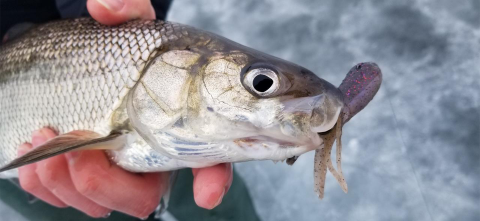
Smith Leads Innovative Effort to Protect Lake Whitefish Using Genetic Markers
A Michigan State University researcher is leading a groundbreaking genetic effort to protect Lake Michigan’s dwindling lake whitefish population, an essential species for ecosystems, economies, and tribal communities alike.

MSU-Led Research Team Receives $500K Grant to Combat Herbicide-Resistant Weeds in Soybeans
A national research team led by Michigan State University has received a $500,000 grant from the United Soybean Board to develop new diagnostic tools for herbicide-resistant weeds in soybeans. The award currently covers one year but can be extended for up to three years.
Announcements