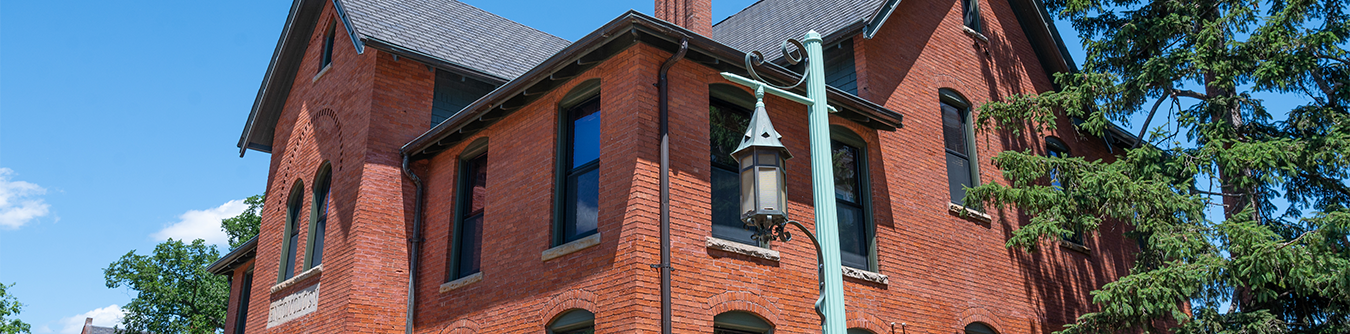

MSU Water Alliance Supports Interdisciplinary Research, Community Partnerships in Second Year
The MSU Water Alliance is helping faculty connect across disciplines, supporting student and young professional research, and turning scientific expertise into real-world solutions.
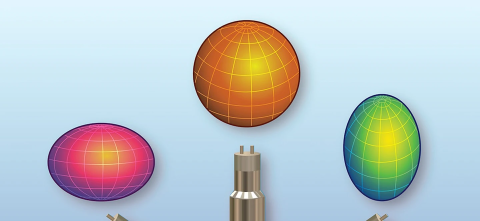
FRIB Researchers Use SuN to Shine Light on Exotic Nuclear Shapes
A team of researchers at the Facility for Rare Isotope Beams, or FRIB, at Michigan State University discovered that cobalt-70 isotopes form different nuclear shapes when their energy levels differ only slightly. The findings, published in Nature Communications Physics, shed light on the dynamic, complex nature of exotic nuclear particles.

New MSU Research Shows Stronger Communication Results in Stronger Construction
When it comes to constructing complex buildings that involve architects, engineers and construction professionals, it’s not just engineering that matters, it’s also how people talk to each other. New interdisciplinary research from Michigan State University found that better team communication and collaboration can dramatically improve the performance of large-scale construction projects.
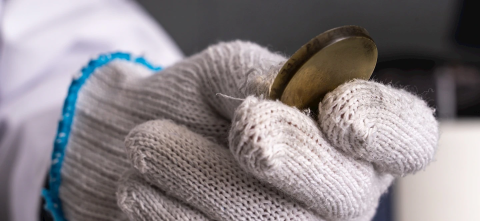
Rooney Searches for Clues to Why Continents Break Apart
Millions of years ago, nearly all of Earth’s continents were fused together in one giant land mass called Pangea. That is, until tectonic forces split them apart in a phenomenon called continental rifting. Tyrone Rooney has spent his career solving the mystery of how rifting works.
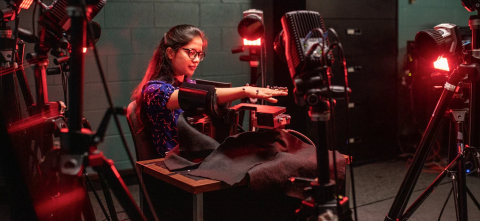
Spartans Are Creating Technologies for a Better World
Some of the most impactful technologies often aren’t the ones you see. They seamlessly make their way into our day, making life safer, healthier and more sustainable. At Michigan State University, a top 40 U.S. university for its number of utility patents, Spartan researchers are designing and delivering those very innovations.
May Research at MSU
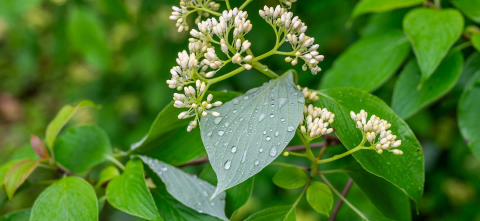
May is a time of celebration and reflection at MSU. As graduation season ends, we honor students’ achievements and recognize women in leadership. From inspiring faculty to student voices and cultural legacies, these stories reflect the resilience and creativity of the Spartan community.
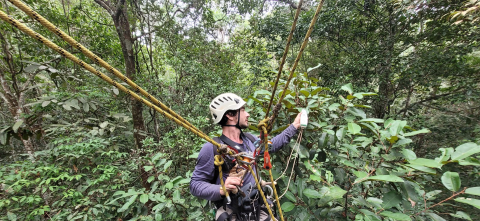
Amazon Trees Under Stress: New Research Uncovers How Forest Giants Respond to Light and Heat
The study, led by doctoral candidate Leonardo Ziccardi with professor Scott C Stark in the MSU Department of Forestry, shows how tropical trees act like giant solar antennas—absorbing vast quantities of light energy that must be carefully managed.
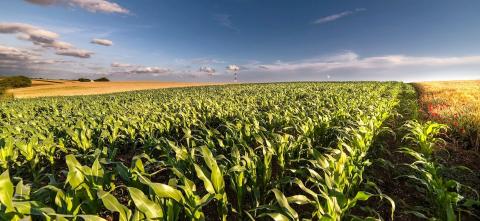
Too Much of a Good Thing: Consequences of Overplanting Bt Corn in the US
A new study from Michigan State University shows that planting too much genetically modified corn designed to fight off a tough insect — the corn rootworm — especially in the eastern U.S. Corn Belt states may be causing more harm than good.
Announcements